Preserved Lemons: A Beginner's Guide to Salt-Curing and Using Them
October 30, 2026 - Lemon Recipes
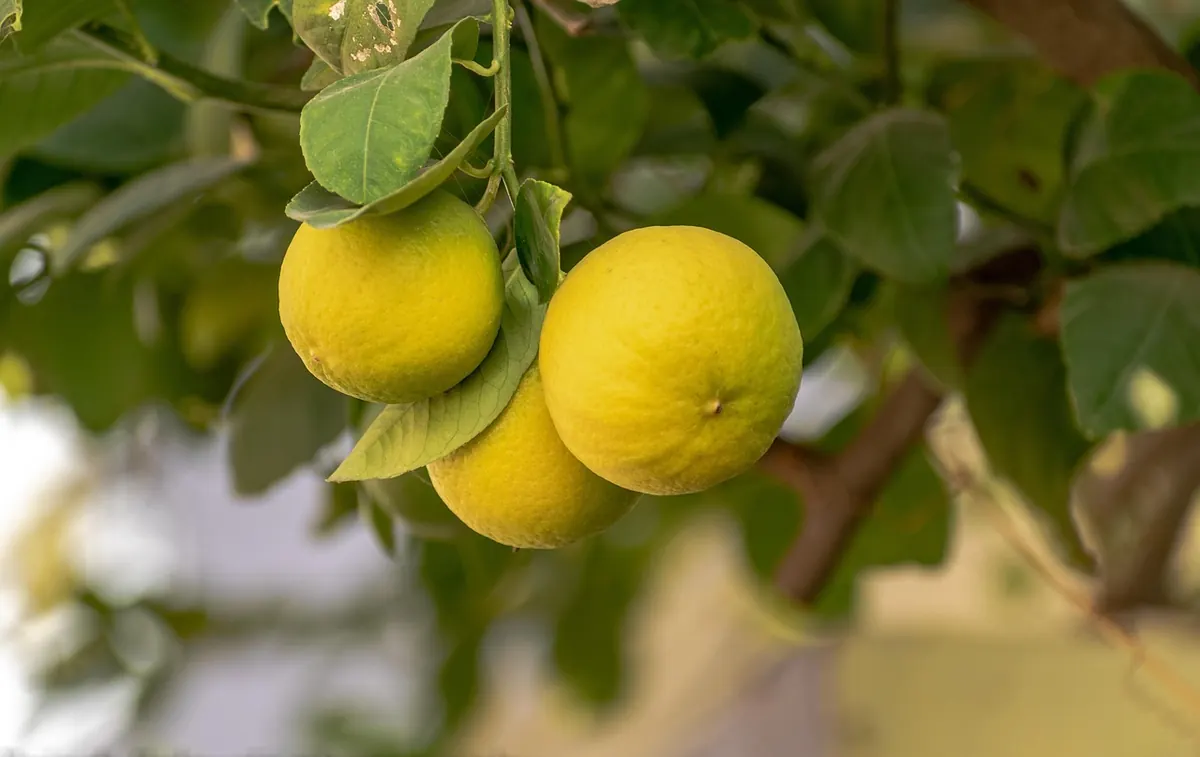
Lemon trees have a reputation for being difficult, and most of that reputation comes from a handful of avoidable mistakes. The tree itself is willing enough: give it light, air and free-draining soil and it will flower on a balcony. Get those three things wrong and it sulks, drops its leaves and quietly gives up. The seven errors below account for most of the struggling lemons grown in pots and small gardens. Each one comes with a correction you can put into practice this weekend.
If a lemon dies in its first year, poor drainage is usually the reason. Citrus roots need oxygen as much as they need moisture, and a pot that holds water turns into a slow suffocation. The classic setup is a handsome container with a single small hole, or no hole at all, sitting inside a decorative outer pot with a saucer left full after watering. The tree looks fine for a month, then the leaves yellow, curl and drop.
Check the basics first. Every pot needs generous drainage holes, and the saucer underneath should be emptied after the water has run through. Use a mix that stays open: a good potting compost blended with coarse grit or perlite, roughly three parts to one, rather than heavy garden soil. Standing the pot on small feet so air moves underneath helps more than most people expect. If the compost smells sour or the roots are brown and soft at the edges, the damage is already underway — repot into fresh, gritty mix and cut away anything mushy.
A lemon is not a shade plant that tolerates a bright room. It wants direct sun for most of the day, six hours at minimum and more if you can manage it. A spot behind glass that faces south is ideal in cool climates; a north-facing windowsill is not, however tidy it looks. Indoors, turn the pot a quarter turn each week so the whole tree grows evenly instead of leaning into the glass.
When a tree moves outside in late spring, do it gradually. Bark and leaves grown in filtered indoor light scorch quickly in full afternoon sun. Give it a week in bright shade, then a week in morning sun, then the full position. The same applies to a new tree brought home from a nursery polytunnel.
Watering on a fixed schedule is the second half of the drainage problem. Compost dries at wildly different speeds depending on heat, pot size, wind and how much leaf the tree is carrying, so a Tuesday-and-Friday routine will be too much in November and not nearly enough in July.
Judge by feel instead. Push a finger two or three centimetres into the compost; if it is dry at that depth, water thoroughly until it runs out of the base, then wait. If it is still cool and damp, wait another day. In hot weather a potted lemon may need water daily, sometimes twice. In winter, once every ten days to a fortnight is often plenty. Let the top layer dry slightly between waterings — roots need that pause. Rainwater or filtered water suits them better than very hard tap water, though most trees adapt to what they are given.
Lemons are hungry plants, especially in containers where nutrients wash out with every watering. Two mistakes follow from that. The first is feeding through winter, when the tree is barely growing and the surplus salts simply build up in the compost. The second is using a general-purpose, high-nitrogen feed all season, which produces lush leaves and very few flowers.
Citrus has particular needs: nitrogen for growth, potassium for fruit, and trace elements — iron, zinc, manganese — that ordinary feeds leave out. Pale leaves with green veins usually point to iron or magnesium shortage rather than a lack of water. Choose a fertiliser formulated for citrus and follow the label.
Some beginners never prune and end up with a dense thicket where light cannot reach the centre, so flowers form poorly and pests settle in. Others go the other way and cut the tree back hard in summer, removing the very wood that would have carried the next crop.
Prune in late winter or early spring, before the main flush of flowers. Take out dead and damaged stems, anything crossing or growing sharply inward, and the vigorous upright shoots that appear below the graft union — these come from the rootstock and will never fruit usefully. Thin the canopy lightly so light and air reach the middle. Sharp, clean tools and a light hand are all that is needed; a lemon does not want to be shaped like a hedge. Indoor trees that flower with no insects around also benefit from a little help, dabbing pollen between flowers with a soft brush.
Sticky leaves, a black sooty film on the upper surface, fine webbing between stems or small bumps along the veins mean something has moved in: scale, spider mite, aphids or mealybug. These build up slowly and then suddenly. Check the undersides of leaves and the new shoots once a week, ideally when you water.
Dust is an invitation to spider mite, so wipe leaves with a damp cloth or give the tree a gentle shower every month or so. Isolate any new plant for a fortnight before it joins the others. At the first sign of trouble, remove affected growth and wash the tree thoroughly, repeating every few days until the population is gone. Treat early and gently, and avoid spraying an open-flowered tree where bees are working.
A bigger pot feels generous, but it is one of the quickest ways to drown a young lemon. A small root ball in a large volume of compost sits in wet soil it cannot use, and the roots rot before they ever fill the space. Move up one size at a time — a couple of centimetres wider than the current pot is enough — and repot in spring when growth is starting.
When you do, keep the point where the trunk widens, just above the roots, sitting at or slightly above the surface. Burying that flare, or the graft union above it, invites rot and poor growth. Tease out circling roots, firm the compost gently and water well, then keep the tree in soft light for a week before returning it to full sun. Most lemons only need repotting every two to three years.
Ignore the urge to fuss. Set the tree up properly, then watch it. A short routine covers almost everything:
Young trees take a few seasons to settle before they carry a proper crop, so judge success by healthy dark leaves and steady new growth rather than by fruit in the first year. Get the basics right and the flowers will come on their own.
Photo: balouriarajesh / Pixabay
A practical guide to salt-curing lemons at home: choosing fruit, packing the jar, keeping it clean, judging when...
A clear, practical guide to making limoncello at home from lemon zest, strong alcohol and syrup, with the specific...
Copyright © 2026 Limone Del Fiume. All Right Reserved.