Preserved Lemons: A Beginner's Guide to Salt-Curing and Using Them
October 30, 2026 - Lemon Recipes
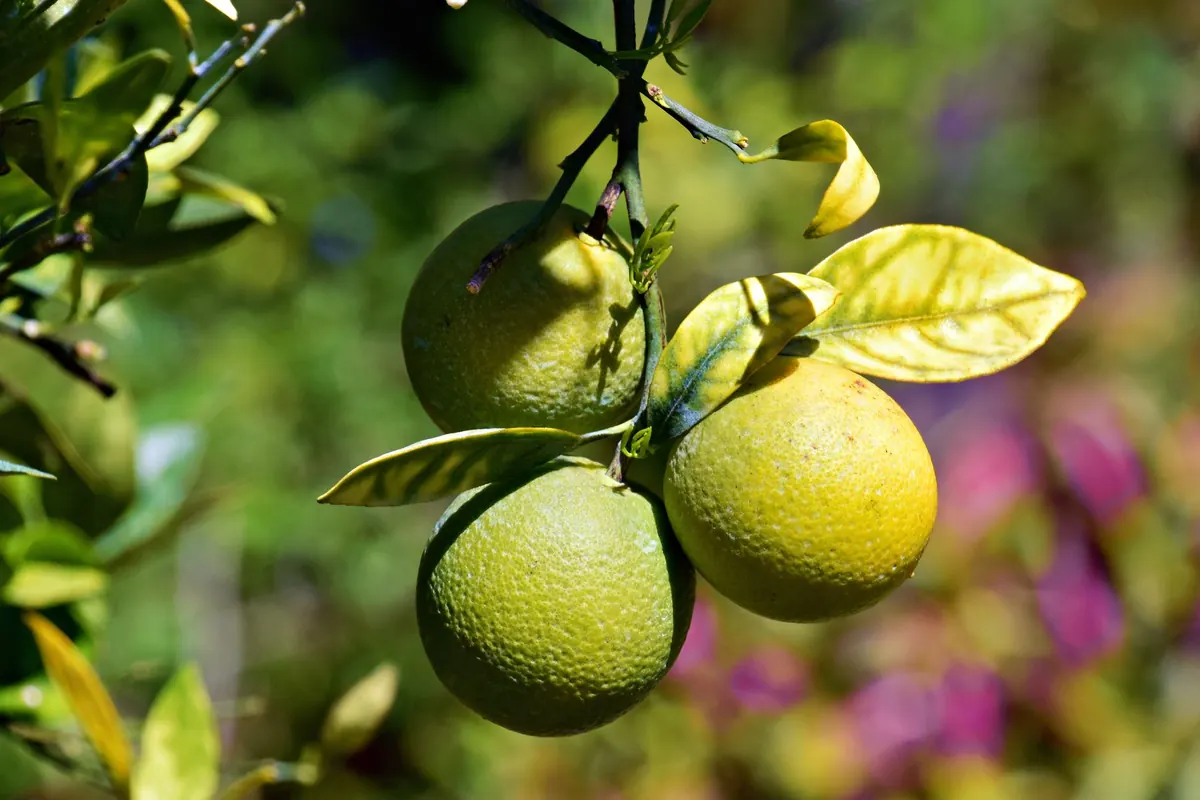
A lemon tree in a greenhouse can open fifty flowers in a week and still give you three fruit. The blossoms look perfect — creamy petals, a ring of stamens, a small green tip in the middle — and then most of them simply fall. Out in a Mediterranean grove, bees and a light breeze handle the transfer of pollen. Behind glass, or in a bright conservatory over winter, nothing does. Hand pollination takes about ten minutes and tips the odds back in your favour. Done gently, it does no harm at all to the tree.
A lemon blossom is complete: it carries the female part — the stigma, sitting on top of the style above the ovary — and the male parts, a ring of stamens whose anthers shed yellow pollen. When the flower opens, the stigma is already faintly sticky. That stickiness is what catches a pollen grain, which then grows a tube down into the ovary. Citrus pollen is heavy and tacky; it does not drift on the air the way grass pollen does. It needs a carrier: a bee, a hoverfly, or your brush.
Not every blossom deserves your time. Look closely and you will find flowers with a fat green centre and others with only a thin spike or nothing much at all. Citrus trees sometimes produce staminate flowers — full of pollen but without a working ovary — and those will never set fruit. Leave them where they are; they make a useful pollen source for the flowers that can.
The good news is that most lemon varieties are self-fertile, so pollen from the same flower or another flower on the same tree will do the job. You do not need a second tree, and you do not need to worry about matching varieties.
Pollen is usually shed within hours of a flower opening, and the stigma stays receptive for a day or two at most — less in a hot, dry room. If you can only manage one session, go on the morning the flower opens, while the anthers still look powdery and yellow rather than brown and shrunken.
Work after the dew has dried but before the middle of the day. Somewhere around 18–25°C is comfortable for you and for the pollen. Above roughly 30°C the anthers dry out fast and the stigma loses condition; in a hot greenhouse, that means finishing before eleven.
Flowers that will open tomorrow look swollen, with petals just loosening and pale at the tips. Make a note of them, then come back in the morning with a brush. It sounds fussy, but a two-minute check the night before turns a vague intention into a job you actually finish.
Flushes arrive in waves. The main flowering comes in spring, and many lemons throw a second, lighter flush in early autumn. During a flush, pollinate every two or three days until the flowers are spent. Skipping a fortnight in the middle of peak bloom is how you end up with a tree full of blossom and a bowl of three lemons.
You do not need equipment. You need something soft, something clean, and a way to see what you are doing.
Self-fertility means a single tree can fruit alone, but moving pollen between two different lemons does no harm and sometimes helps set. If you want to keep track of which cross produced which fruit, wipe the brush on a clean cloth between varieties, or dedicate one brush to each.
Pollination is only half the story. The other half is the room the flower is sitting in.
Air movement matters. A stuffy greenhouse with condensation on the glass is a poor place for pollen to travel and a good place for botrytis on fading petals. Run a small fan on low, or vent for twenty minutes mid-morning when the temperature is climbing. Gentle movement also shakes loose pollen you would otherwise have to chase with a brush.
Keep flowers dry. Do not mist an open blossom. High humidity makes pollen clump and refuse to shed; water sitting on petals invites rot. Water the soil, not the canopy, and do it in the morning.
Hold the temperature steady. Cold nights slow pollen tube growth, and a greenhouse that swings from 25°C by day to 6°C at night will drop fruit regardless of how carefully you pollinated. Insulation and a little background heat during a cold snap do more for fruit set than any technique.
Do not fuss with the pot. Once flowers are set, leave the tree where it is. Moving it into a different light level mid-set causes stress the young fruit rarely tolerates.
Petals fall within two or three days of a successful pollination, and the ovary behind them begins to swell. A week on, you should see a small green lemon where there was a knuckle. If the whole flower drops cleanly, that one did not take — try again with the next flower.
Expect substantial natural drop even when everything goes right. Citrus sheds a large share of its flowers and young fruitlets, and later in early summer there is a second thinning. This is normal, not a verdict on your technique. Steady watering, decent light, and a fertiliser that is not heavy on nitrogen — which pushes leaves at the expense of fruit — will do more than any intervention. A dry spell followed by a soaking is the most common cause of otherwise unexplained fruit drop.
During a flush, keep the brush next to the watering can and go round the tree every second morning before the heat arrives. Dab a few anthers, touch a few stigmas, check one flower with the lens, write the date down. That small loop of attention is the whole method. Do it consistently through spring and the difference is not subtle: more green fruitlets in May, fewer bare branches in July, and a lemon tree under glass that earns its corner of the greenhouse.
Photo: balouriarajesh / Pixabay
A practical guide to salt-curing lemons at home: choosing fruit, packing the jar, keeping it clean, judging when...
A clear, practical guide to making limoncello at home from lemon zest, strong alcohol and syrup, with the specific...
Copyright © 2026 Limone Del Fiume. All Right Reserved.