Preserved Lemons: A Beginner's Guide to Salt-Curing and Using Them
October 30, 2026 - Lemon Recipes

A lemon tree in a pot is not a compromise. It is a way to give the plant better soil than your garden has, move it out of a cold snap, and keep a fresh supply of zest within arm’s reach of the kitchen door. The catch is that containers ask more of you. Water, food and root space are all limited, so the tree depends on your routine. Get the basics right and a young lemon will settle in, flower, and fruit without drama.
It is tempting to buy a promising young lemon at the nursery and then hunt for a pot. Reverse that order. The container sets the limits for everything else: how often you water, how stable the tree stands, and how much root room it has for the next two or three years.
For a young lemon, a pot roughly 35–45 cm across and 35–40 cm deep is a sensible start. That is about the volume of a large bucket, not a barrel. A tree plunged into an enormous pot will sit in wet soil for too long, and the roots may rot before they fill the space. A pot that is too small dries out twice a day in July and can tip over in wind. Choose a stout, straight-sided container with a wide base; tall, narrow pots are top-heavy once the tree grows.
Drainage holes are non-negotiable. One central hole is not enough; look for several, and check they are not blocked by a saucer. Stand the pot on feet or bricks so water can escape freely. Terracotta looks good and dries faster, which helps in cool weather but means more watering in summer. Good-quality plastic is lighter, cheaper and holds moisture longer. Avoid painting over drainage holes or hiding the pot in a sealed decorative cachepot. If you want a cachepot, empty it after watering.
Garden soil in a pot turns into a dense, airless block. Use a free-draining potting mix instead, one made for containers rather than borders. A good blend contains bark, coarse perlite or pumice, and some compost. You can make your own with roughly two parts potting mix, one part fine bark, and one part perlite; the exact ratio matters less than the texture. When you squeeze a handful, it should hold together briefly and then crumble. If it oozes water or packs like clay, add more perlite.
Lemons prefer slightly acidic soil, but do not chase perfect numbers. A general container mix with organic matter is usually close enough. Avoid adding fresh manure, which can burn roots, and skip handfuls of sand, which can make heavy mixes worse. A thin layer of gravel or pebbles in the bottom does not improve drainage; it raises the water table inside the pot. Let the drainage holes do their job.
Overwatering is the most common beginner’s mistake. Lemon roots need oxygen as well as moisture, and a pot that stays soggy is a slow way to kill a tree. Check the top 3–5 cm of mix with your finger. If it is dry, water. If it is cool and damp, wait. Lifting the pot also tells you a lot: a light pot needs water, a heavy one usually does not.
When you water, do it properly. Pour slowly until water runs from the drainage holes, then stop. Little daily sips encourage shallow roots and leave salts behind. In hot, bright weather a container lemon may need water every day, sometimes twice. In cool winter weather, once a week or less may be enough. Rain is fine, but do not let the pot stand in a full saucer. Empty it after a downpour.
Container trees cannot send roots out to find dinner. From spring through summer, feed with a citrus fertiliser or a balanced container fertiliser that includes micronutrients such as iron and magnesium. Follow the label; more is not better. A common routine is a half-strength dose every two weeks rather than a strong dose once a season. If you use a slow-release fertiliser, do not top it up with liquid feed every week without checking the label.
Watch the leaves. Pale new growth with green veins often points to iron shortage, especially if the water in your area is alkaline. Yellowing between veins on older leaves can suggest magnesium. Correcting the soil is better than guessing with random tonics. Repotting every two to three years in fresh mix, or top-dressing with compost, also keeps a container lemon healthier than fertiliser alone. Stop feeding in late autumn and winter, when growth slows.
Container lemons are more exposed than garden trees. Their roots can freeze in a pot, and cold, wet soil is worse than cold, dry soil. Move the tree indoors or into a greenhouse, conservatory or sheltered porch before temperatures drop near freezing. A cool, bright room is ideal: around 5–10°C is enough to keep the tree alive without forcing weak winter growth. If you only have a warm room, give it the sunniest window you have and expect more watering and more pest checks.
Reduce watering in winter, but do not let the mix dry out completely. Stop feeding until spring. Check the undersides of leaves for scale, mealybug and spider mite, and wipe them off with a damp cloth. Keep the tree away from radiators and draughts. In mild areas, a sheltered, south-facing wall may be enough, but have a plan for cold nights. Move the tree back outside gradually in spring, over a week or two, so leaves are not scorched.
Start with a modest pot, a free-draining mix, and a tree planted at the right depth. Water deeply when the top of the soil is dry, feed at half strength through the growing season, and move the pot under cover before winter arrives. Repot in early spring when roots circle the drainage holes, and prune lightly to keep the shape open. A container lemon will not grow as large as one in the ground, but that is part of the pleasure: it stays manageable, close at hand, and ready to move when the weather turns.
Photo: Karolina / Pexels
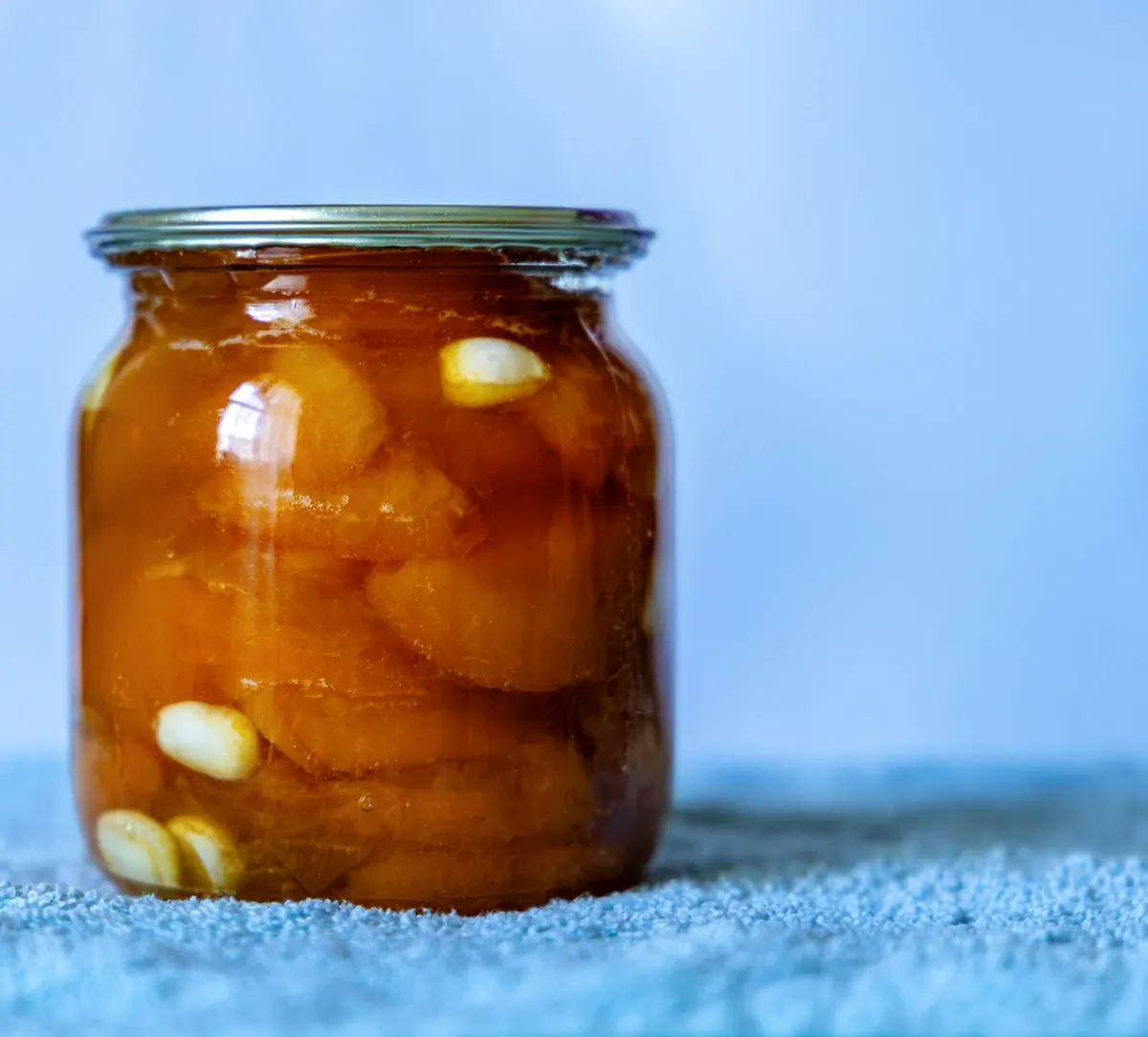
A practical guide to salt-curing lemons at home: choosing fruit, packing the jar, keeping it clean, judging when...
A clear, practical guide to making limoncello at home from lemon zest, strong alcohol and syrup, with the specific...
Copyright © 2026 Limone Del Fiume. All Right Reserved.