Preserved Lemons: A Beginner's Guide to Salt-Curing and Using Them
October 30, 2026 - Lemon Recipes
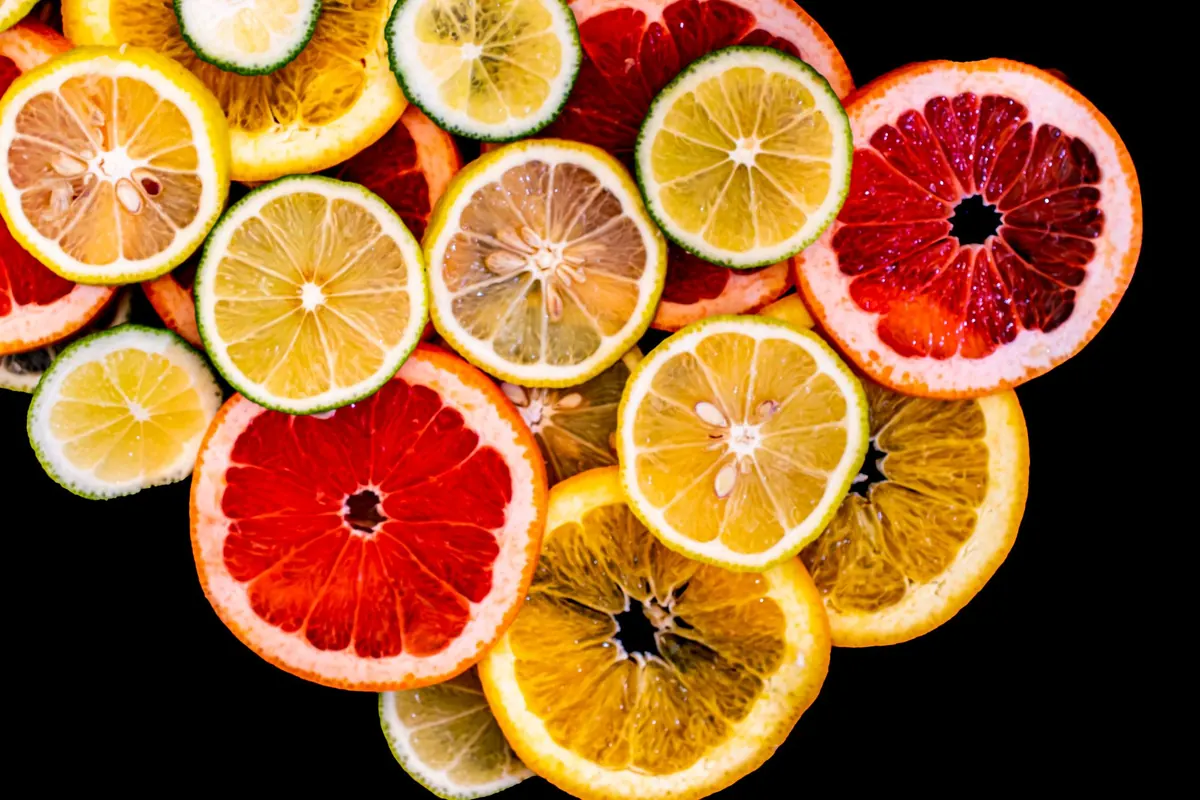
Most gardeners end up choosing between two lemons: the sweet, thin-skinned Meyer that home cooks love, and the tart, thick-rinded Eureka behind most of the lemons sold in shops. They are different plants with different habits, and the better choice depends less on which one tastes superior than on where you garden, how much space you have, and what you actually do with the fruit.
Cut into a Meyer lemon and the smell arrives before the juice does: blossom-like, almost perfumed. The juice is softer than you expect from a lemon, low in acid, with a faint mandarin sweetness behind it. The peel is thin and barely bitter, so you can grate it into a dressing or a cake batter without the aggressive oily punch of a standard lemon. This is why Meyer turns up in olive oil cakes, custards, salad dressings and preserved lemons — anywhere you want aroma and a gentler tang rather than a slap of acid.
Eureka is the lemon your palate already knows. High acid, clean and bracing, with a rind thick enough to zest in long strips and a flavor that survives cooking, roasting and freezing. When lemon needs to cut through fat — hollandaise, roast chicken, a pot of chickpeas — Eureka does the work with fewer fruits. Its thick skin also makes it the better candidate for candied peel, and it keeps far longer after picking.
One practical note for cooks: if a recipe was written for a supermarket lemon, a Meyer will taste milder and less acidic. Taste as you go and expect to use a little more juice, or add a squeeze of Eureka if you grow both.
If you garden anywhere that frosts, this is the deciding factor. An established Meyer in a sheltered spot will ride out a short dip to roughly 20°F with scorched leaves and lost fruit but a living tree. Eureka is a subtropical grower and begins dropping leaves and wood in the mid-20s. After a hard winter, the difference on the same street is usually obvious.
Several habits help either variety in a marginal climate:
Meyer fruits run small to medium, roughly two to three inches across, round and smooth, ripening to a deep yellow that shades toward orange. The skin is thin enough to tear when you pick it, so handle the fruit gently and use it within a week or two. Heavy rain close to harvest can split thin-skinned Meyers, and the fruit does not store or ship well — which is precisely why you rarely see it in shops.
Eureka fruits are larger and more elongated, with the pointed tip and thick, leathery rind that make them keep for weeks in the refrigerator. They hold on the tree well, too, so you can pick as needed rather than in one rush. Both varieties are self-fertile and crop heavily without a partner; both tend to flower and fruit in waves, with the main crop arriving in winter and scattered fruit through the rest of the year in mild climates.
Neither lemon is reliably thornless, and opinions on which is worse usually depend on how the tree has been pruned. Eureka grows upright and vigorous, and its strongest shoots — the water sprouts that bolt from the trunk and main branches — can carry thorns an inch or more long. Cut those out and the problem largely disappears. Meyer tends to be surprisingly thorny as a young plant and then nearly smooth once it matures and settles into fruiting.
Either way, wear gloves and eye protection when pruning, and do the job after the main harvest so you are not removing wood that is about to flower.
Meyer wins here, and it is not close. It is naturally compact and bushy, cropping well at four to six feet in a pot, and its extra cold tolerance makes the autumn shuffle indoors far less nerve-racking. Eureka is more vigorous and upright, wants a larger pot, and will eventually outgrow most balconies. Dwarf Eureka exists, but even then it is the thirstier, bigger plant.
Grow Meyer if you garden somewhere with frost, if your lemon will live in a pot, or if you want perfumed zest and juice for desserts and dressings. Look for an Improved Meyer, the certified clean selection that replaced the original after the old strain was found to carry a virus.
Grow Eureka if you have a mild climate, room for a tree in the ground, and a household that goes through lemons weekly — for cooking, preserving, drinks and candied peel. It gives you more fruit per tree and far better keeping quality.
And if you have the space and the sunshine, grow both. Eureka earns its keep in the kitchen, Meyer earns its keep in the frost.
Photo: Ray Suarez / Pexels
A practical guide to salt-curing lemons at home: choosing fruit, packing the jar, keeping it clean, judging when...
A clear, practical guide to making limoncello at home from lemon zest, strong alcohol and syrup, with the specific...
Copyright © 2026 Limone Del Fiume. All Right Reserved.